Capturing Wild Moments: A Videographer's Nature Journey
There's something magical about stepping into the wilderness with a camera in hand, knowing that the next moment could be extraordinary. As a videographer dedicated to capturing nature, I've learned that the journey itself is just as important as the final footage—perhaps even more so.
My passion for nature videography began on a simple hiking trip. I brought along a basic camera, hoping to document the scenery, but what I discovered was far deeper: the art of patience, observation, and connection with the natural world. Every sunrise, every animal encounter, and every changing season became a story waiting to be told.
The Preparation Begins
Before heading into the field, preparation is everything. I spend hours researching locations, studying animal behavior patterns, and checking weather forecasts. Understanding where wildlife congregates and when they're most active dramatically increases your chances of capturing authentic moments. I've learned to scout locations beforehand, identify the best angles, and anticipate how light will move throughout the day.
Equipment matters, but it's not everything. While quality gear helps, I've captured some of my most compelling footage with modest cameras. What truly matters is knowing your equipment inside and out—understanding its capabilities and limitations in different conditions.
Patience: The Silent Teacher
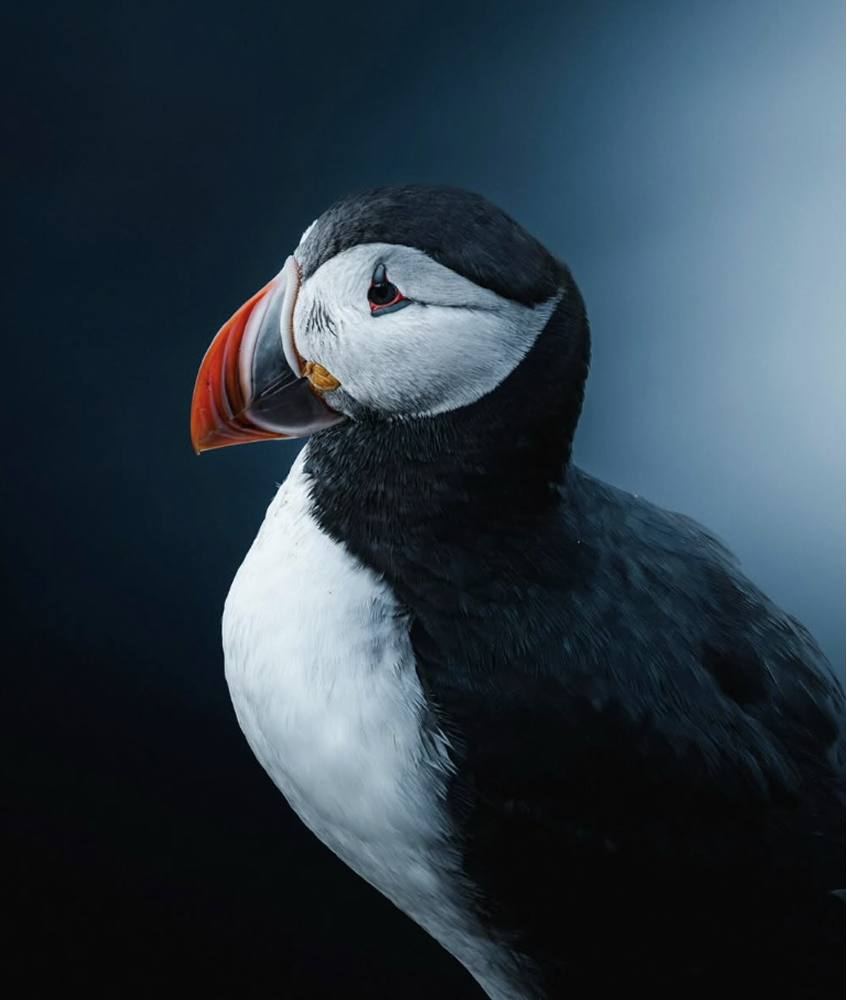
Nature videography has taught me the value of patience like nothing else. I've waited for hours in the cold, in the rain, in the heat, sometimes for just thirty seconds of usable footage. But those moments when a deer emerges from the mist, or a bird takes flight at the precise instant the light hits its wings—those rewards are immeasurable.
This patience extends beyond filming. It's about respecting wildlife, maintaining safe distances, and understanding that we're guests in their environment. The best footage comes when animals feel undisturbed and behave naturally, not when they're stressed or fleeing.
The Technical Dance
Capturing wild moments requires mastering technical skills while remaining creatively flexible. Managing focus on a moving subject, adjusting for rapidly changing light, and stabilizing footage in challenging terrain demand constant attention. I've learned to anticipate movement, predict behavior, and adjust settings before the critical moment arrives.
Post-production is where the raw footage transforms into storytelling. Color grading, sound design, and pacing shape the emotional impact of what you've captured. A well-edited sequence can elevate modest footage into a compelling narrative.
Lessons from the Field
Nature teaches humility. Plans fail. Weather changes unexpectedly. Equipment malfunctions. But these challenges often lead to the most creative solutions and surprising discoveries. Some of my best work has come from improvising when circumstances didn't match my expectations.
I've also learned that the greatest reward isn't the perfect shot—it's the privilege of witnessing wild moments most people never see. Being present in those spaces, understanding animal behavior more deeply, and sharing those experiences through video is the real journey.
Sharing the Experience
Ultimately, nature videography is about connection. By capturing these wild moments and sharing them, I hope to inspire others to appreciate and protect the natural world. Every frame is an invitation for viewers to step into wild spaces, even if only for a few minutes.
The journey continues with each new season, each new location, and each encounter with wildlife. And that's exactly what keeps me returning to the field, camera ready, heart open, and patience intact.